







What Is Customer Communication and Why Does It Matter
A support agent tells a customer their refund is being processed. Two days later, a marketing email lands in the same inbox with a coupon for the product they just returned. Neither message is wrong on its own. Together, they tell the customer that nobody on your team is talking to anybody else. Worse, they tell the customer that your company doesn’t actually know them.
What Is Customer Communication?
Customer communication is every message a business sends to, or receives from, a customer, across every channel that relationship touches, from a marketing email to an order confirmation to a support reply. It covers both directions: the messages a business initiates, like a shipping update, and the ones a customer starts, like a question about a delayed order.
Most businesses now run this across five or six channels, and few of those channels know anything about each other. A support agent replies over email without seeing the WhatsApp conversation from an hour earlier, and a marketing team schedules an SMS blast that ignores a customer who just abandoned a live chat. According to the 2026 State of Digital Customer Communication Survey, 99% of organizations say omnichannel messaging matters to their growth strategy, yet only 11% have actually connected messaging with their CRM, AI agents, or other management systems. That gap between ambition and execution is what turns ordinary customer communication into a coordination problem.
Why Is Customer Communication Important?
Customer communication is not a support function sitting off to the side. It shapes whether a customer trusts a business enough to buy again, and it shows up directly in retention, engagement, and revenue.
- Higher engagement. The 2026 State of Digital Customer Communication Survey found that 86% of companies saw a positive impact on customer engagement after adding a new messaging channel, which suggests the gap most businesses face is coverage, not effort.
- Faster, more relevant responses. When conversation history follows a customer across channels, an agent or an automated workflow can reply with full context instead of asking the customer to repeat themselves.
- Less manual work for your team. Automated triggers, templates, and routing rules can handle routine messages, freeing your team to focus on the conversations that actually need a person.
- Customers who feel recognized, not managed. A customer who just filed a complaint and gets a cheerful upsell the same afternoon does not just receive a badly timed message. They learn that your business does not actually know who they are.
How Does a Customer Communication Platform Work?
A customer communication platform brings every channel, template, and customer record into one system, so a message sent on one channel can inform what gets sent on the next. Instead of a marketing tool, a support inbox, and a transactional email service running separately, the platform centralizes the data and the sending logic in one place.
From there, most platforms follow a similar pattern. Incoming customer data, whether from your CRM, AI agents, or other management systems, feeds into segmentation and personalization rules. An event, such as a completed purchase or a missed appointment, triggers a message on the channel that customer prefers, based on their history of engagement. The interaction, along with its outcome, gets logged back into the same customer record, so the next message, on any channel, starts with context instead of from zero.
What Are the Main Types of Customer Communication?
Not every message a business sends serves the same purpose, and treating them all the same way is where a lot of communication strategies break down.
Marketing Communication
Marketing communication covers messages designed to build awareness, generate demand, or move a prospect closer to a purchase, such as a promotional SMS, an email newsletter, or a WhatsApp broadcast about a new product. It is typically sent on a schedule or tied to a campaign rather than a specific customer action. Because it is not urgent from the recipient’s side, marketing communication carries the highest risk of feeling like noise if it is not personalized or well-timed. The businesses that get the most out of it treat send frequency and relevance as seriously as the offer itself.
Transactional Communication
Transactional communication confirms that something the customer did, or something happening to their account, actually happened, such as an order confirmation, a password reset, or a payment receipt. These messages are expected, time-sensitive, and almost always welcome, which is why they tend to see far higher open rates than marketing messages. A delay or an error in a transactional message, such as a shipping confirmation that never arrives, damages trust more than a missed marketing send ever would. Because of that, transactional communication is usually the first place businesses invest in reliable, automated delivery.
Customer Service Communication
Customer service communication happens when a customer reaches out with a question, a complaint, or a request for help, and a business responds, whether through a live agent, a chatbot, or a self-service flow. Unlike marketing or transactional messages, this type is reactive by nature and often carries more urgency and emotional weight. The quality of this communication depends heavily on context: an agent who can see a customer’s order history and past conversations resolves issues faster than one working from a blank inbox. Service communication is also where a business has the most direct opportunity to repair or strengthen a relationship in real time.
Sales Communication
Sales communication includes the messages a sales team sends while actively working a deal, such as a follow-up after a demo, a proposal, or an answer to a pricing question. It sits closer to a one-to-one conversation than the broadcast style typical of marketing, even when parts of it are templated or automated. Timing matters more here than almost anywhere else in customer communication, since a slow response to a high-intent question can cost a deal outright. Many businesses route sales communication through the same platform as support and marketing so a prospect’s history is not siloed the moment they become a customer.
Customer Success and Retention Communication
Customer success and retention communication targets customers who have already bought, with the goal of keeping them engaged, renewing, or expanding their use of a product. This includes onboarding check-ins, usage tips, renewal reminders, and win-back campaigns aimed at customers who have gone quiet. Because this type depends on behavioral data, such as whether a customer is actually using what they bought, it tends to be the most personalized and event-triggered of all five types. Businesses that treat retention communication as an afterthought typically see it show up later as a churn problem instead.
What Are the Main Customer Communication Channels?
Each channel fits certain types of messages better than others, and using the wrong one is often the difference between a message that gets read and one that gets ignored.
| Channel | Best For | Typical Response Time |
| Detailed updates, newsletters, receipts | Hours to days | |
| SMS | Time-sensitive alerts, OTPs, reminders | Minutes |
| Rich, two-way conversations, support | Minutes to hours | |
| RCS | Interactive, branded messaging on Android | Minutes |
| Voice | Urgent or complex issues, verification | Immediate |
| Push notifications | In-app or mobile engagement prompts | Immediate |
| In-app messaging | Contextual guidance during active use | Immediate |
| Social media and messaging apps | Public engagement, direct support | Hours |
Email remains the default channel for detailed, non-urgent communication, such as newsletters, receipts, and longer support responses that benefit from formatting and attachments. It is inexpensive to send at scale and does not require the customer to opt in through a separate app, which keeps it useful even for customers who avoid other digital channels. The tradeoff is speed: open rates typically lag well behind SMS or WhatsApp, so email is a poor fit for anything genuinely time-sensitive. It still anchors most customer communication strategies because of how well it handles complex or reference-worthy content.
SMS
SMS reaches nearly any phone without requiring an app, which makes it one of the most reliable channels for time-sensitive alerts like one-time passcodes, appointment reminders, and delivery updates. Messages are typically read within minutes, far faster than email, which is why businesses lean on it for anything urgent. Character limits keep SMS messages short and to the point, so it works best for a single clear piece of information rather than a detailed conversation. Its universal reach also makes it a dependable fallback channel in regions or demographics where richer messaging apps have not caught on.
WhatsApp supports rich, two-way conversations, including images, documents, and interactive buttons, which makes it suited to support conversations and detailed order updates alike. With billions of active users globally, it has become the default messaging channel for customers in large parts of Europe, Latin America, and Asia. Because customers already use it to talk with friends and family, a business reaching out over WhatsApp tends to feel more like a conversation than a broadcast. The tradeoff is that sending business messages on WhatsApp requires working through an approved provider and following Meta’s messaging policies.
RCS Messaging
RCS messaging upgrades standard texting with read receipts, typing indicators, and rich media like carousels and buttons, all without requiring the customer to install anything. It is native to the Android messaging app, which gives it broad reach without the adoption friction that comes with apps like WhatsApp. Because it looks and feels more like a branded conversation than plain SMS, RCS tends to perform well for marketing and order-update use cases that benefit from visual content. Availability still varies by carrier and region, so it usually complements rather than replaces SMS in a broader channel strategy.
Voice
Voice remains the channel customers reach for when an issue is urgent, complex, or emotionally charged, situations where typing back and forth would take longer and feel more frustrating. It is also used proactively for outbound verification calls and one-time passcodes delivered by phone rather than text. Even as messaging channels have grown, a meaningful share of customers still prefer calling support over any digital alternative, particularly for issues involving money or account security. Voice tends to work best paired with the same customer data used across other channels, so an agent picking up the phone already has context instead of starting cold.
Push Notifications
Push notifications reach customers directly on their mobile device, even when they are not actively using an app, which makes them effective for time-sensitive prompts like a price drop or an abandoned cart. They depend entirely on the customer having the app installed and notifications enabled, so reach is inherently narrower than SMS or email. Because they appear directly on a lock screen, push notifications carry a higher risk of feeling intrusive if sent too frequently or without clear relevance. Used sparingly and tied to real behavior, they can drive engagement that a scheduled email would miss entirely.
In-App Messaging
In-app messaging appears while a customer is actively using a product, through banners, tooltips, or modals, making it well suited to onboarding tips and feature announcements. Because the customer is already engaged in that moment, in-app messages tend to see higher attention than a message competing for space in a crowded inbox. This channel works best for guidance tied directly to what the customer is doing right then, rather than general marketing content. It has little value for customers who are not actively using the product, which limits it to a specific slice of the overall communication strategy.
Social Media and Messaging Apps
Social media and messaging apps like Instagram, Facebook Messenger, and Telegram serve both public engagement and, increasingly, direct customer support conversations. Customers often turn to these channels when they want a fast, informal response, or when they want visibility into how a business handles a public complaint. Response expectations tend to be high, since a slow or absent reply on a public post is visible to anyone browsing the page. These channels work best as a supplement to core channels like email and SMS rather than a primary support line.
What Are Key Customer Communication Use Cases?
Certain moments in the customer relationship come up often enough, and matter enough, that they deserve a deliberate communication plan rather than an improvised one.
Customer Onboarding
Onboarding communication guides a new customer through their first experience with a product or service, from a welcome email to a series of in-app tips that introduce key features. Done well, it reduces the chance a customer abandons a product simply because they never understood how to use it. Timing matters here: a single welcome email is rarely enough, and a short sequence spread over the first days or weeks tends to perform better. Businesses that invest in onboarding communication typically see it reflected later in lower early-stage churn.
Transaction Confirmations
Transaction confirmations tell a customer that a purchase, payment, or account change went through, and they are among the most consistently opened messages a business sends. Customers expect these near-instantly, so any delay reads as a problem even when the underlying transaction was fine. Beyond the basic confirmation, this is also a natural moment to reinforce trust, such as including a clear receipt or a way to contact support if something looks wrong. Because these messages are expected rather than promotional, they carry almost no risk of feeling intrusive.
Order and Delivery Updates
Order and delivery updates keep a customer informed from purchase through arrival, typically across multiple touchpoints like an initial confirmation, a shipping notice, and a delivery alert. These updates reduce inbound support volume directly, since a customer who already knows their package is delayed is less likely to open a ticket asking where it is. SMS and RCS tend to perform particularly well here, since customers want this information quickly and do not need to open an app to get it. Consistent, proactive updates on this front tend to correlate with higher satisfaction scores than reactive support alone.
Appointment and Payment Reminders
Appointment and payment reminders reduce no-shows and missed payments by reaching a customer before the moment they need to act, not after. A reminder sent the day before an appointment, or a few days before a payment is due, gives the customer enough time to reschedule or prepare without last-minute pressure. These messages perform best on fast channels like SMS or voice, since the entire value of a reminder depends on it arriving with enough lead time to matter. Businesses in healthcare, financial services, and subscription-based industries tend to see this use case pay for itself quickly in reduced no-show and late-payment rates.
What Are the Best Practices for Customer Communication Management?
Good customer communication management is less about picking the right tool and more about a handful of habits that keep every channel working together instead of against each other.
Use the Customer’s Preferred Channel
Not every customer wants to be reached the same way, and defaulting to whichever channel is cheapest to send tends to produce lower engagement across the board. A customer who consistently ignores email but responds within minutes to SMS should be messaged accordingly, not defaulted back to email because it is easier to manage. Tracking channel engagement over time lets a business build this preference into its sending logic rather than guessing. Respecting a customer’s preferred channel is one of the simplest ways to improve response rates without changing the message itself.
Build an Omnichannel Communication Strategy
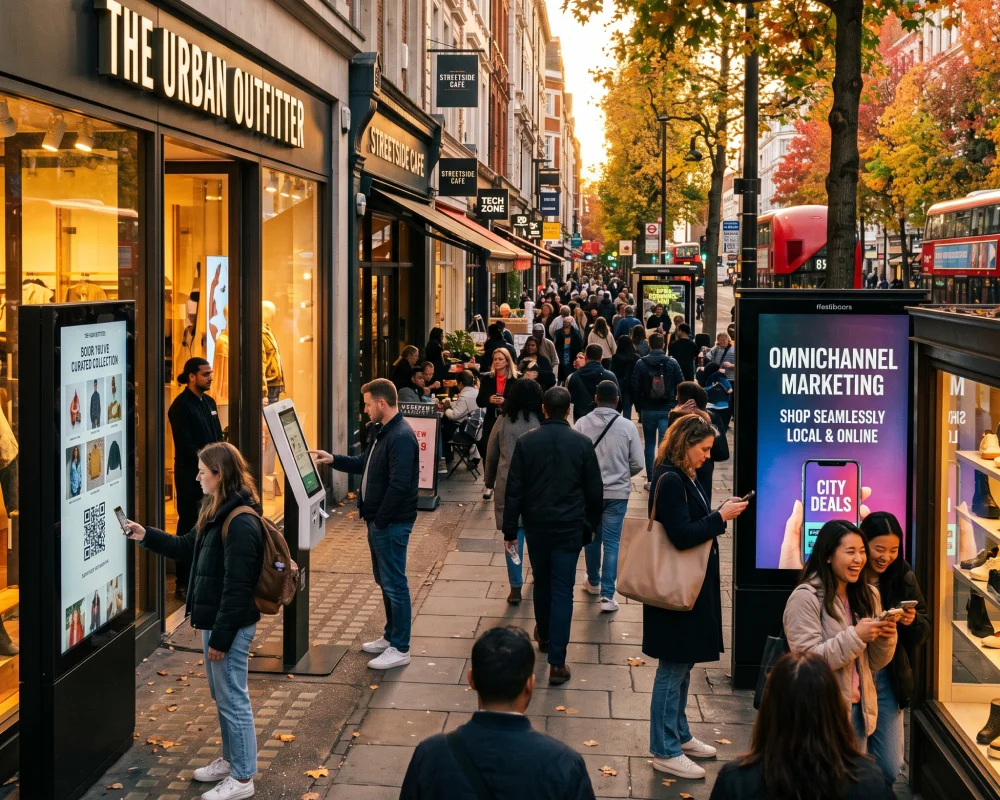
An omnichannel strategy means a customer’s context follows them from one channel to the next, so a conversation that starts over WhatsApp does not require the customer to explain everything again if it continues over email. This is different from simply supporting multiple channels, which can still leave each one operating in isolation. A genuinely omnichannel setup lets an agent or automated workflow see the full history, regardless of where each individual message was sent. Businesses that get this right tend to resolve issues faster, since nobody on the team is working from a partial picture.
Centralize Communication Across Channels
Centralizing communication means every channel, template, and customer record lives in one system, rather than being managed separately by marketing, support, and sales teams. This reduces the risk of the exact scenario at the start of this article: a support resolution and a marketing offer landing in the same inbox within days of each other with no coordination. It also simplifies reporting, since engagement metrics across SMS, email, and WhatsApp can be compared directly instead of pulled from separate platforms and stitched together by hand. Consolidation is less about convenience and more about making every other best practice on this list actually achievable.
Personalize Messages Using Customer Data
Personalization that goes beyond a first name, pulling in order status, loyalty tier, or recent activity, makes a message feel specific rather than generic. A message that references an actual order number or a product a customer recently viewed reads as relevant, while a templated blast reads as mass marketing even with a name inserted. This depends entirely on data quality, since personalization is only as good as the customer information feeding it. Done consistently, it is one of the more direct ways to improve response rates without increasing how often you message customers.
Use Behavioral and Event-Based Triggers
A message that sends automatically based on a real event, such as a cart abandonment, a missed appointment, or a support ticket gone quiet, tends to feel more relevant than one sent on a fixed schedule to an entire list. Triggers remove the lag between a customer action and a business response, which matters most for time-sensitive moments like a failed payment or an expiring offer. Setting up reliable triggers requires real-time or near-real-time access to whatever system generates the event, whether that is a CRM, an ecommerce platform, or an internal tool. Businesses relying only on scheduled campaigns tend to see lower engagement than those using triggers for the moments that actually matter to a customer.
Keep Transactional Messages Timely and Relevant
Transactional messages carry an implicit promise of speed and accuracy, and a delayed order confirmation or a payment receipt that arrives a day late damages trust more than almost any other communication failure. These messages should stay focused on the transaction itself rather than being used as an opportunity to cross-sell, since customers expect them to be purely informational. Reliability matters more here than creativity: a plain, on-time confirmation outperforms a beautifully designed one that arrives late. Businesses that treat transactional communication as infrastructure, rather than an afterthought, tend to avoid the support tickets that come from customers left wondering whether something actually worked.
FAQ
What is the difference between customer communication and customer communication management?
Customer communication refers to the messages themselves, while customer communication management refers to the strategy, processes, and tools used to plan, send, and track those messages consistently across channels.
What is the most important customer communication channel?
There is no single best channel; the right one depends on the message type and the customer’s own preference. Transactional and urgent messages tend to perform best on SMS or voice, while detailed or non-urgent communication fits email better.
How many channels should a business use for customer communication?
Most businesses need at least three or four core channels, typically email, SMS, and one messaging app like WhatsApp, to cover both urgent and non-urgent communication. Adding channels only helps if they stay connected to the same customer data and history.
What is an example of good customer communication?
A delivery update sent by SMS a few hours before arrival, based on a customer’s actual order rather than a generic template, is a common example. It is timely, specific, and delivered on a channel the customer is likely to see quickly.
Turning Customer Communication Into a Connected System
Every type, channel, and use case covered here works better when it is not managed in isolation. A business that treats marketing, support, and transactional messages as separate workstreams will keep sending signals that it doesn’t recognize its own customer, no matter how good any single message is.
MMDSmart MessageWhiz brings SMS, WhatsApp, Viber, RCS, Telegram, email, and voice into a single platform, so a customer’s history follows them across every channel instead of resetting each time they switch. Talk to our team to see what a connected customer communication strategy could look like for your business.