









TL;DR: Enterprise CPaaS platforms embed messaging, voice, and video into business apps through APIs. Best for omnichannel messaging: MessageWhiz; for global carrier reach: Infobip; for developer breadth: Twilio; for programmable voice: Vonage.
What Is an Enterprise CPaaS Platform?
Enterprise Communications Platform as a Service (CPaaS) allows businesses to add real-time messaging, voice, and video into their existing apps. Instead of building complex telecom networks, developers use simple plug-and-play tools. Think of it like renting building blocks instead of manufacturing bricks to build a house.
Enterprise CPaaS platforms go beyond basic messaging by offering advanced features such as workflow automation, analytics, omnichannel support, and robust security controls. They allow companies to unify communication channels, personalize customer engagement, and streamline operations, all from a single platform. The modular nature of CPaaS means that enterprises can select and deploy only the features they need, integrating seamlessly with existing IT systems and business processes.
Enterprise CPaaS Platforms at a Glance
The table below summarizes the key differences between the platforms covered in this article. We explore each one in more detail in the sections that follow.
| Category | Solution | Best For | Key Strengths | Things to Consider |
| Omnichannel Messaging and Engagement | MessageWhiz | Businesses running omnichannel campaigns and alerts | SMS, WhatsApp, RCS, voice, and email in one platform | Interface and support are primarily in English |
| Omnichannel Messaging and Engagement | Infobip | Platforms and enterprises scaling omnichannel messaging | Unified Messages API and 800+ direct carrier connections | Users report slow support response times |
| Omnichannel Messaging and Engagement | Sinch | Enterprises needing messaging, voice, and email at scale | Tier-1 network with 600+ direct operator connections | Reviewers cite slow support and setup complexity |
| Omnichannel Messaging and Engagement | Bird | Developers sending email, SMS, WhatsApp, and voice via one API | One typed API across channels, with SDKs and MCP support | Users report sales pressure and post-sale support costs |
| Programmable Communications and Voice | Twilio | Developers building cross-channel communications at scale | Broad channel APIs across 180+ countries | Pricing rises at scale and setup can be complex |
| Programmable Communications and Voice | Vonage | Businesses adding voice, video, and messaging to apps | Broad API suite with strong video and ~200-country reach | Learning curve and costs that rise with use |
| Programmable Communications and Voice | Bandwidth | Enterprises consolidating voice, messaging, and 911 | Owns a tier-1 US network with direct carrier connections | Focus leans toward large, high-volume accounts |
| Programmable Communications and Voice | Cisco Webex Connect | Enterprises automating multi-channel customer journeys | Low-code visual flow builder with backend integration | Separate from Webex Contact Center; higher pricing |
Related content: Read our guide to the best CPaaS providers.
Why Enterprises Need CPaaS Platforms
Enterprises adopt CPaaS platforms to improve how they communicate with customers, employees, and partners while reducing the complexity of managing communication infrastructure. Instead of relying on separate tools for different channels, they can build communication into existing applications and automate key business processes.
- Faster application development: Developers can add messaging, voice, video, email, and authentication features through APIs instead of building them from scratch.
- Scalability: Cloud infrastructure supports growing communication volumes without additional on-premises hardware.
- Omnichannel communication: Businesses can manage conversations across SMS, voice, email, chat apps, and social messaging from a single platform.
- Workflow automation: Automated notifications, appointment reminders, verification codes, and customer service workflows reduce manual work.
- Better customer experience: Personalized and timely communication improves engagement, satisfaction, and response rates.
- Integration with existing systems: CPaaS platforms connect with CRM, ERP, contact center, and business applications to support end-to-end workflows.
- Security and compliance: Enterprise platforms provide encryption, access controls, audit logs, and compliance features for regulated industries.
- Global reach: Organizations can communicate with customers in multiple countries through a single provider with local connectivity and routing.
- Analytics and reporting: Built-in dashboards and APIs provide insights into delivery rates, message performance, call quality, and customer interactions.
- Lower operational costs: Outsourcing communication infrastructure reduces maintenance and simplifies operations.
Related content: Explore our roundup of the best CPaaS solutions.
Core Capabilities of Enterprise CPaaS Platforms
Omnichannel Messaging
Omnichannel messaging in enterprise CPaaS platforms enables businesses to communicate with customers across multiple channels, such as SMS, email, push notifications, WhatsApp, and social media, through a unified interface. This approach ensures consistent messaging and allows organizations to reach users on their preferred platforms while maintaining conversations as customers switch between channels. By consolidating communication management, enterprises can provide a cohesive customer experience and avoid fragmentation caused by siloed tools.
The value of omnichannel messaging lies in its ability to centralize data and automate interactions across channels. Enterprises can design workflows that trigger messages based on customer behavior, segment audiences for targeted campaigns, and monitor engagement from a single dashboard. This unified view of communication activity improves efficiency and supports data-driven decision-making, helping businesses refine their outreach strategies and improve return on investment.
Voice and Video APIs
Voice and video APIs are core components of enterprise CPaaS platforms, allowing businesses to embed real-time calling, conferencing, and video chat features into their applications and websites. These APIs support use cases such as customer support hotlines, telehealth consultations, and remote collaboration, without requiring users to switch to third-party platforms. By integrating voice and video directly into existing digital experiences, enterprises can maintain brand consistency and simplify user interactions.
Beyond basic connectivity, enterprise-grade voice and video APIs offer features like call recording, transcription, interactive voice response (IVR), and programmable routing. These capabilities enable organizations to automate routine tasks, support compliance, and gather insights from conversations. High availability, low latency, and secure transmission meet the performance and privacy expectations of large-scale operations.
Two-Way Customer Conversations
Two-way customer conversations enable enterprises to move beyond one-way notifications and engage in interactive dialogues with customers in real time. Through CPaaS platforms, businesses can support responsive messaging across SMS, chat apps, and social platforms, allowing customers to ask questions, provide feedback, or resolve issues quickly. This communication model supports stronger customer relationships and improved satisfaction.
By enabling two-way conversations, enterprises can automate responses using chatbots or intelligent routing while ensuring that complex queries are escalated to human agents when needed. This blend of automation and human support helps organizations manage large volumes of interactions without compromising service quality. Real-time engagement also creates opportunities for upselling, loyalty programs, and proactive support.
Authentication and Verification
Authentication and verification features in enterprise CPaaS platforms provide ways to confirm user identities and protect transactions. Common methods include two-factor authentication (2FA) via SMS or voice calls, one-time passwords (OTP), and phone number validation. These tools help organizations reduce fraud, prevent unauthorized access, and meet regulatory requirements for user verification, especially in sectors like finance and healthcare.
Integration of authentication APIs allows enterprises to embed security checks directly into customer journeys, such as account sign-ups, password resets, and payment approvals. By automating these processes, businesses can reduce manual intervention and speed up user onboarding while maintaining security. Some CPaaS platforms also offer adaptive authentication, which adjusts verification methods based on risk level or user behavior.
Workflow Automation
Workflow automation in CPaaS platforms enables enterprises to orchestrate communication processes without manual intervention. Using pre-built templates, drag-and-drop interfaces, or API triggers, organizations can automate tasks such as appointment reminders, order confirmations, and customer surveys. Automation reduces human error and ensures timely communication.
Automated workflows can integrate with CRM, ERP, and other business systems to synchronize data and trigger actions based on customer events or business rules. This level of integration allows enterprises to deliver personalized experiences at scale and maintain consistency across channels. Workflow automation contributes to operational efficiency and improved customer satisfaction.
Analytics and Reporting
Analytics and reporting capabilities in enterprise CPaaS platforms provide insights into communication performance and customer engagement. Through dashboards and customizable reports, organizations can track metrics such as message delivery rates, response times, call durations, and user behavior across channels. These insights help businesses identify trends, measure campaign effectiveness, and optimize communication strategies.
By using analytics, enterprises can make data-driven decisions to improve service quality, target high-value segments, and reduce costs. Real-time reporting enables rapid detection of issues, such as delivery failures or compliance breaches, allowing for resolution. Some platforms also offer predictive analytics and AI-driven recommendations.
Compliance and Security Controls
Compliance and security controls are foundational for enterprise CPaaS platforms, ensuring that communication activities meet industry regulations and internal policies. Features such as data encryption, audit trails, access controls, and role-based permissions protect sensitive information and support regulatory requirements like GDPR, HIPAA, and PCI DSS. These safeguards are critical for organizations handling personal or financial data.
In addition to technical controls, CPaaS platforms often provide compliance management tools to automate policy enforcement, manage consent, and generate compliance reports. Regular security audits, vulnerability assessments, and incident response protocols strengthen the platform’s defense against threats. By prioritizing compliance and security, CPaaS vendors enable enterprises to maintain customer trust and avoid legal or reputational risks.
Differences Between Enterprise-Grade and SMB CPaaS Platforms
Enterprise-grade and SMB-focused CPaaS platforms share the same core purpose of adding communication capabilities through APIs, but they target different operational needs. Enterprise platforms prioritize global scale, governance, compliance, and integration with complex business systems, while SMB platforms emphasize ease of use, faster deployment, and lower costs for smaller teams.
| Aspect | Enterprise CPaaS | SMB CPaaS |
| Scale | Designed for millions of messages and calls across regions | Optimized for lower to moderate communication volumes |
| Channel Coverage | Broad support for SMS, voice, email, video, WhatsApp, RCS, and social channels | Often focuses on a smaller set of common channels |
| Integrations | Connects with CRM, ERP, contact centers, identity systems, and custom applications | Integrates primarily with common business apps and no-code tools |
| Security and Compliance | Advanced access controls, audit logs, encryption, and compliance features for regulated industries | Basic security features with fewer enterprise governance capabilities |
| Global Reach | Direct carrier relationships, local compliance support, and international routing | International coverage is available but often relies on partner networks |
| Administration | Multi-tenant management, role-based access, analytics, automation, and centralized governance | Simpler administration with fewer management and reporting features |
Notable Enterprise CPaaS Platforms
How we selected these platforms: We shortlisted enterprise CPaaS platforms based on channel coverage, global network reach, developer and low-code tooling, authentication and security, and analytics and reporting.
Omnichannel Messaging and Engagement Platform
1. MessageWhiz

Best for: Businesses running omnichannel campaigns and alerts
Strengths: SMS, WhatsApp, RCS, voice, and email in one platform
Things to consider: Interface and support are primarily in English
MessageWhiz by MMDSmart is a CPaaS platform that combines text, chat, voice, and email in one cloud-based application. It supports SMS, RCS, Viber, Telegram, WhatsApp, email, and voice, and gives teams a single view of customer conversations across channels.
The platform handles campaign messaging, transactional alerts, two-way conversations, and authentication flows. It also includes smart routing with failover, client-level reporting, and tools for creating separate environments for individual clients.
CPaaS features:
- Multi-channel messaging: Send and receive messages over SMS, RCS, WhatsApp, Viber, Telegram, email, and voice from one interface.
- Smart routing and failover: Selects delivery routes automatically and applies failover so messages reach customers through available paths.
- Automation and templates: Triggers real-time messages based on user behavior, transactions, or system events, reusing templates that pull data from a CRM.
- GenAI text optimization: Creates and tests multiple versions of a message to find the best-performing copy.
- Analytics and reporting: Tracks delivery rates, click-through performance, and campaign engagement.
Enterprise features:
- Tailored client environments: Spins up dedicated environments per client, onboards new clients with a single API request, and auto-assigns phone numbers and domains.
- Client-level reporting and provisioning: Provides granular, per-client consumption analytics and lets teams subscribe to only the events they need.
- Proactive traffic monitoring: Detects fraudulent or bot-generated traffic and flags anomalies in real time.
- 24/7 dedicated account management: Assigns dedicated account managers for enterprise accounts.
- Enterprise-grade security and compliance: Supports GDPR and regional data regulations with access controls, encrypted messaging, and audit logs.
Limitations (based on publicly available sources):
- Language coverage: Product listings indicate the interface, documentation, and support are provided primarily in English.
- Entry pricing: Public listings show plans starting around €99149 per month.
- Limited third-party reviews: The platform has a smaller footprint on independent review sites than larger vendors.
2. Infobip

Best for: Platforms and enterprises scaling omnichannel messaging
Strengths: Unified Messages API and 800+ direct carrier connections
Things to consider: Users report slow support response times
Infobip is a CPaaS platform built around a modular API stack it calls CPaaS X, aimed at platforms and enterprises that need to add and scale communication channels. Its Messages API unifies channels such as SMS, RCS, email, MMS, voice, WhatsApp, Viber, Messenger, Instagram, and Telegram behind a single integration.
The platform handles channel orchestration and failover, automates client onboarding and number provisioning, and provides client-level reporting. Infobip operates its own infrastructure with more than 800 direct carrier connections and 80+ offices for local compliance support.
CPaaS features:
- Unified Messages API: Connects multiple channels through one API and manages channel sequencing and failover logic.
- Channel orchestration: Routes traffic across channels and applies failover when a preferred channel is unavailable.
- Authentication and identity: Includes customer authentication, mobile identity, and number lookup APIs to verify users.
- Number and sender provisioning: Purchases numbers over the web interface or API in more than 150 countries.
Enterprise features:
- Automated client onboarding: Creates separate environments for each client with a single API call and provisions numbers and domains automatically.
- Granular, client-level reporting: Provides consumption reports and reporting per customer, use case, or resource type through individual entity IDs.
- Fraud and traffic monitoring: Detects fraudulent and bot-generated traffic and sends real-time alerts on anomalies.
- Global carrier network and compliance: Operates direct connections with more than 800 carriers plus local compliance support across 80+ offices worldwide.
Limitations (as reported by users on G2):
- Support response times: Several reviewers describe slow replies to support tickets.
- Reporting clarity: Some users find it hard to determine why campaigns fail or are delayed.
- Learning curve: Reviewers note the platform can take time to set up and adopt.
- Interface updates: A few users feel the interface could be refreshed more regularly.
3. Sinch

Best for: Enterprises needing messaging, voice, and email at scale
Strengths: Tier-1 network with 600+ direct operator connections
Things to consider: Reviewers cite slow support and setup complexity
Sinch is a CPaaS platform that offers messaging, voice, email, and verification through APIs, along with ready-made applications for teams that prefer not to build. It supports channels including SMS, RCS, MMS, WhatsApp, email, and voice, and covers use cases such as marketing campaigns, notifications, identity and verification, and customer care.
Sinch runs its own tier-1 network, which it calls the Super Network, with direct operator connections used to route messages and calls. It also provides SIP trunking, IVR, and a chatbot builder alongside its core APIs.
CPaaS features:
- Messaging APIs: Sends SMS, MMS, RCS, and WhatsApp messages, including a conversation API for combining channels.
- Voice and SIP: Adds voice calling, elastic SIP trunking, and IVR through programmable APIs.
- Email APIs: Sends transactional and marketing email at volume through Mailgun and Mailjet.
- Verification APIs: Confirms user identities with SMS, flash call, and voice verification.
Enterprise features:
- Super Network reach: Routes traffic through its own tier-1 network with 600+ direct operator connections.
- Ready-made applications for teams: Provides Sinch Engage and a chatbot builder alongside the core APIs for non-developer teams.
- Regulated-industry compliance: Supports HIPAA, SOC 2 Type 1, and GDPR compliance for channels such as fax and email.
- Conversational AI at scale: Adds the Chatlayer platform for building chat and voice bots across 125+ languages.
Limitations (as reported by users on G2):
- Support experience: Several reviewers report slow support responses.
- Setup complexity: Some users find the platform and its account hierarchy complex to set up and test.
- Performance issues: A few reviewers mention the interface can be slow to load and log users out after inactivity.
Source: Sinch
4. Bird

Best for: Developers sending email, SMS, WhatsApp, and voice via one API
Strengths: One typed API across channels, with SDKs and MCP support
Things to consider: Users report sales pressure and post-sale support costs
Bird, formerly MessageBird, is a CPaaS platform that sends email, SMS, voice, and WhatsApp through a single API and contract. It provides the same typed API shape across channels, with SDKs for TypeScript, Python, and Go, a command-line tool, and an MCP server for connecting AI coding agents.
Bird operates its own carrier infrastructure and reports direct carrier relationships in 190+ countries. The platform includes a test mode, per-channel webhooks, and deliverability reporting across channels and regions.
CPaaS features:
- Unified multi-channel API: Sends email, SMS, voice, WhatsApp, and real-time messages through one API with a consistent auth and error format.
- SMS with compliance handling: Routes SMS across tier-1 carriers and manages A2P 10DLC, alpha sender ID, and DLT registrations.
- WhatsApp Cloud API: Sends pre-approved templates, session messages, and interactive buttons.
- Developer tooling: Includes a test mode, HMAC-signed per-channel webhooks, and an MCP server for AI agents.
Enterprise features:
- Programmable voice at scale: Supports PSTN and SIP, IVR through declarative flow JSON, call recording, live transcription, and streaming text-to-speech.
- Global carrier relationships: Operates direct carrier relationships across 190+ countries for high-volume delivery.
- Deliverability reporting: Reports inbox placement, bounce rates, and send volume across channels and regions.
- Customer data layer: Adds a CDP for unifying customer data to personalize large-scale campaigns.
Limitations (as reported by users on G2):
- Initial setup: Some reviewers note that getting started can require technical expertise.
- Pricing for smaller teams: Several users feel the pricing can be a concern for smaller teams.
- Sales and support practices: Some reviewers describe aggressive sales and added support costs after purchase.
- Product direction: A few users mention the newer CRM layer feels less mature than the core messaging tools.
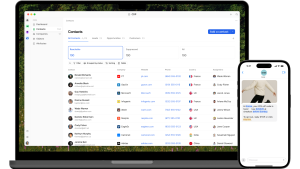
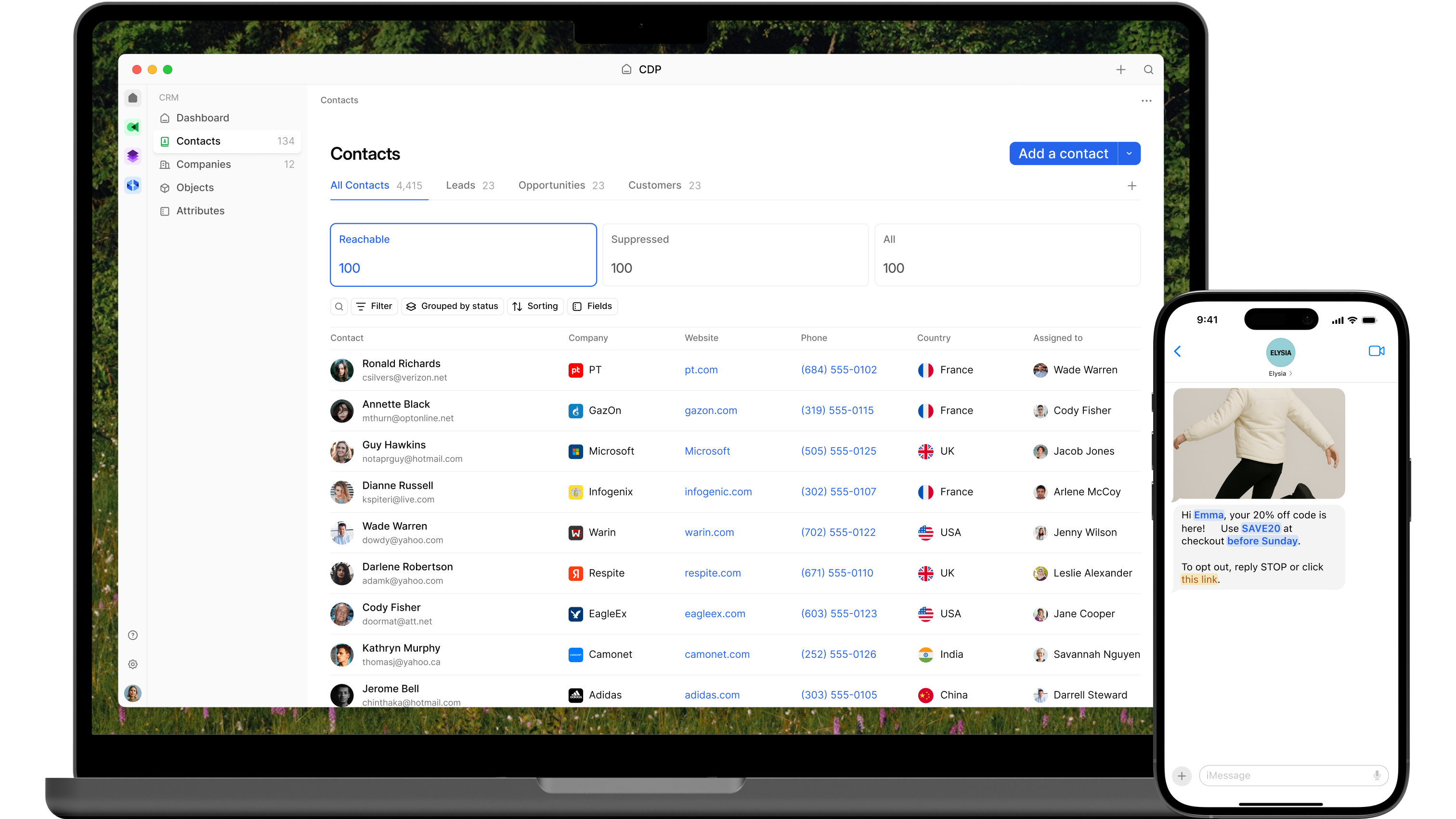
Source: Bird
Programmable Communications and Voice Platforms
5. Twilio

Best for: Developers building cross-channel communications at scale
Strengths: Broad channel APIs across 180+ countries
Things to consider: Pricing rises at scale and setup can be complex
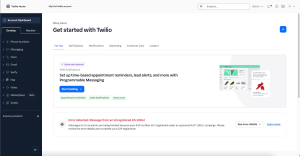
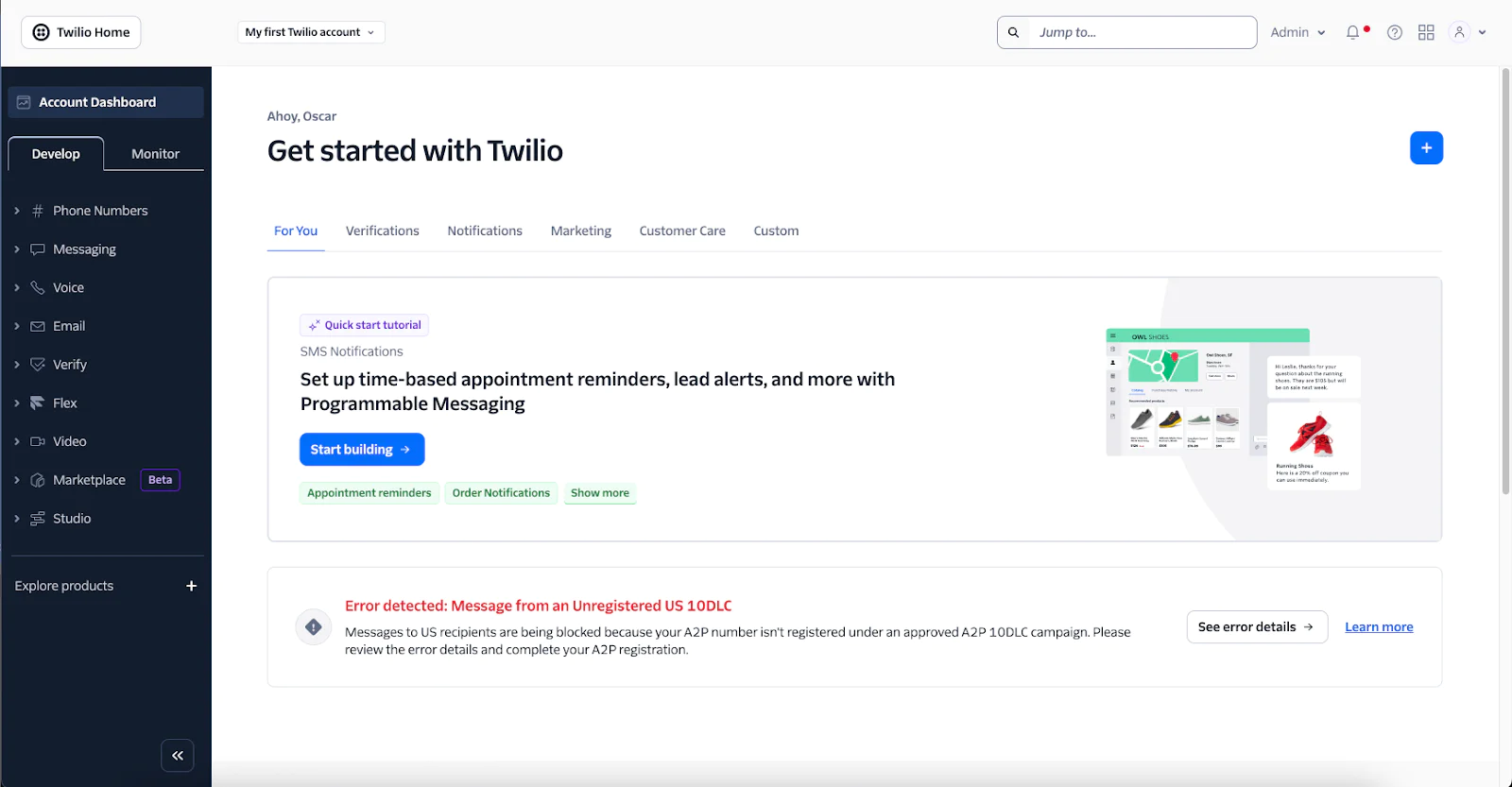
Twilio is a CPaaS platform that embeds messaging, voice, video, email, and verification into applications through APIs. Its messaging covers SMS, MMS, RCS, and WhatsApp, and it adds programmable voice, SIP trunking, a video API, and the SendGrid email API.
Twilio also offers Verify and Lookup for authentication and fraud checks, Flex for contact centers, and a Conversations layer that threads interactions across channels. The platform reports coverage in 180+ countries and connects communications with customer data through Segment.
CPaaS features:
- Messaging channels: Sends SMS, MMS, RCS, WhatsApp, and OTT messages at scale.
- Email API: Sends transactional and marketing email through SendGrid.
- Programmable voice: Supports voice calls, SIP trunking, conferencing, and IVR.
- Verification and identity: Uses Verify for one-time passcodes and Lookup for phone intelligence.
Enterprise features:
- Conversations layer: Threads interactions into continuous cross-channel conversations for support and sales teams.
- Flex contact center: Provides a fully programmable contact center platform built on top of the core APIs.
- Customer data integration: Connects with Segment to personalize messages using real-time customer data.
- Regulated-industry compliance: Supports HIPAA-configurable messaging and PCI DSS Level 1 compliant voice payments.
Limitations (as reported by users on G2):
- Cost at scale: Many reviewers note that pricing can become expensive as usage grows.
- Setup complexity: Some users find initial setup and advanced features complex, and describe A2P 10DLC registration as difficult.
- Support: Several reviewers report that support response times vary depending on the plan.
Source: Twilio
6. Vonage
Best for: Businesses adding voice, video, and messaging to apps
Strengths: Broad API suite with strong video and ~200-country reach
Things to consider: Learning curve and costs that rise with use
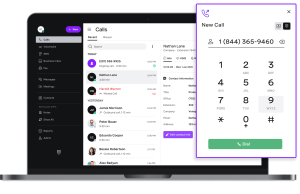
Vonage, part of Ericsson, is a CPaaS platform that provides communications APIs for messaging, voice, video, and fraud protection. Its messaging spans RCS, SMS, MMS, WhatsApp, social channels, and email, and it offers programmable voice, branded calling, SIP trunking, and a video API.
Vonage adds fraud protection tools including Verify for two-factor authentication and Identity Insights, along with AI Studio and no-code and low-code tools for building flows. It reports reach across nearly 200 countries and 2,000+ networks.
CPaaS features:
- Messaging APIs: Sends branded and omnichannel messages across RCS, SMS, MMS, WhatsApp, social channels, and email.
- Programmable voice: Provides carrier-grade voice, branded calling, and SIP trunking.
- Video API: Builds live video sessions, with broadcast options and HIPAA/SOC2-aligned security capabilities.
- Authentication: Uses the Verify API for two-factor authentication across SMS, voice, WhatsApp, and email with automatic channel failover.
Enterprise features:
- Fraud protection suite: Adds Fraud Defender for real-time monitoring and blocking, plus Identity Insights and Number Insight fraud scoring.
- AI and low-code tools: Includes AI Studio and no-code/low-code tools for building communication flows without a developer.
- Enterprise integrations: Offers Conversations for Salesforce, AWS marketplace solutions, and the Vonage Cloud Runtime.
- Global network reach: Routes traffic across nearly 200 countries and 2,000+ networks.
Limitations (as reported by users on G2):
- Learning curve: Some reviewers describe a steep initial learning curve.
- Dashboard usability: Users note the dashboard can feel technical and would like clearer error messages.
- Rising costs: Several reviewers mention that pricing can climb quickly as usage grows.
Source: Vonage
7. Bandwidth

Best for: Enterprises consolidating voice, messaging, and 911
Strengths: Owns a tier-1 US network with direct carrier connections
Things to consider: Focus leans toward large, high-volume accounts
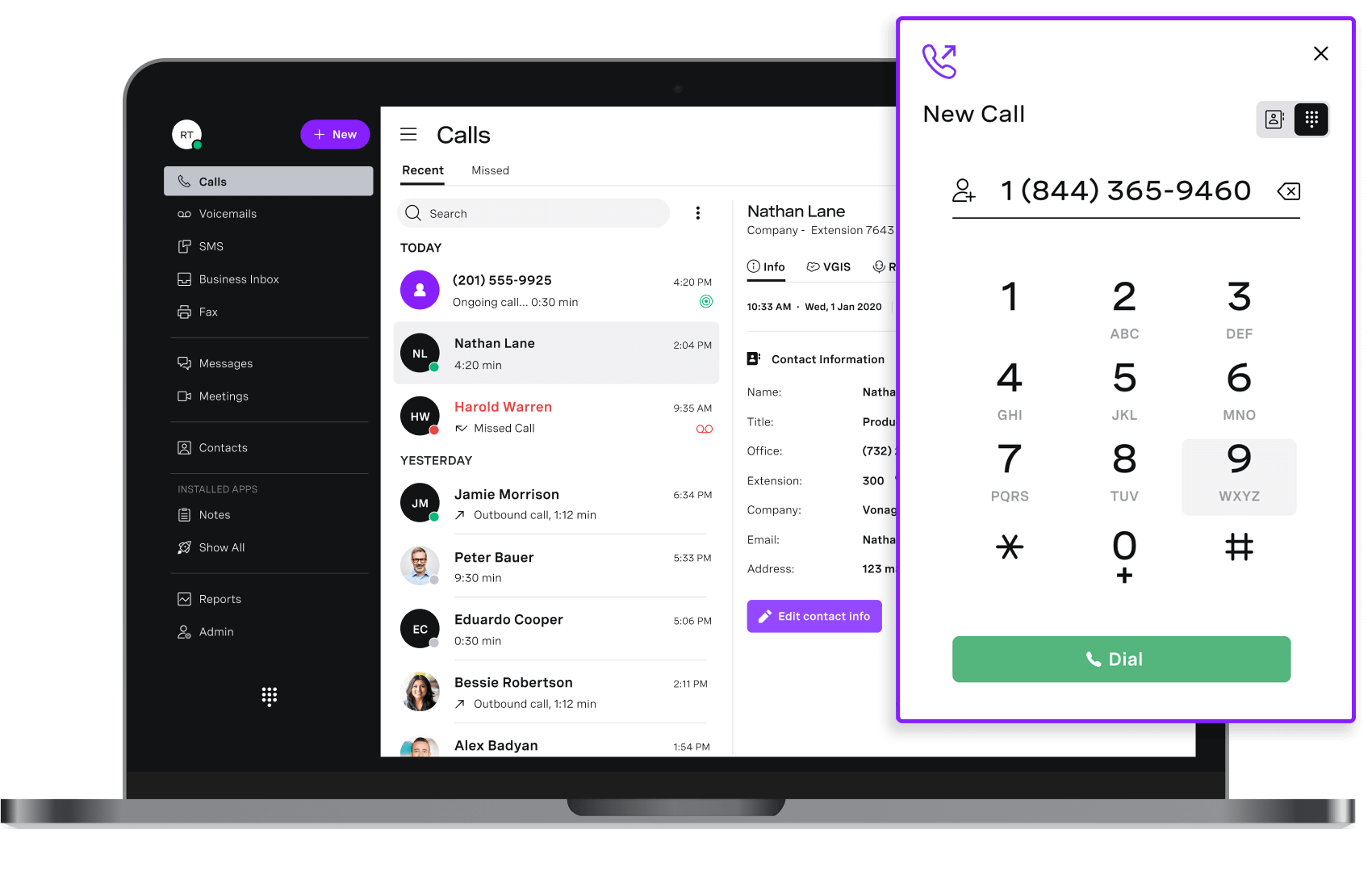
Bandwidth is a CPaaS platform that provides voice, messaging, and emergency calling APIs on a network it owns and operates. It offers one messaging API for SMS, MMS, and RCS, a voice API for building voice agents, bots, and IVR systems, an emergency calling API, and a WebRTC API.
Bandwidth also provides authentication and number lookup APIs, number management and porting, call verification, and voice and messaging insights. Because it owns a tier-1 network with direct-to-carrier connections, it positions itself for enterprises that want to consolidate communications with fewer intermediaries.
CPaaS features:
- Messaging API: Handles SMS, MMS, and RCS through a single API with support for toll-free and group messaging.
- Voice API: Builds voice agents, bots, and IVR systems and streams call media in real time.
- Number management: Covers number provisioning, porting, caller ID, and call verification.
- Multi-factor authentication: Generates and verifies MFA codes delivered via voice calls or SMS.
Enterprise features:
- Emergency calling (E911): Provides 911 access, dynamic location routing, and compliance with Kari’s Law and RAY BAUM’S Act.
- Owned tier-1 network: Runs on Bandwidth’s own all-IP network with direct-to-carrier connections and 6-second call billing.
- Enterprise voice integrations: Supports Direct Routing and PSTN connectivity for Microsoft Teams and Webex Calling.
- Insights and monitoring: Reports call quality and message deliverability for high-volume account management.
Limitations (as reported by users on G2):
- Account focus: Some reviewers feel the platform has shifted toward wholesale and large accounts.
- Vendor changes: Users report issues such as incorrect caller ID names following third-party vendor changes.
- Process complexity: Several reviewers describe certain processes and account changes as complex or slow.
Source: Bandwidth
8. Cisco Webex Connect

Best for: Enterprises automating multi-channel customer journeys
Strengths: Low-code visual flow builder with backend integration
Things to consider: Separate from Webex Contact Center; higher pricing
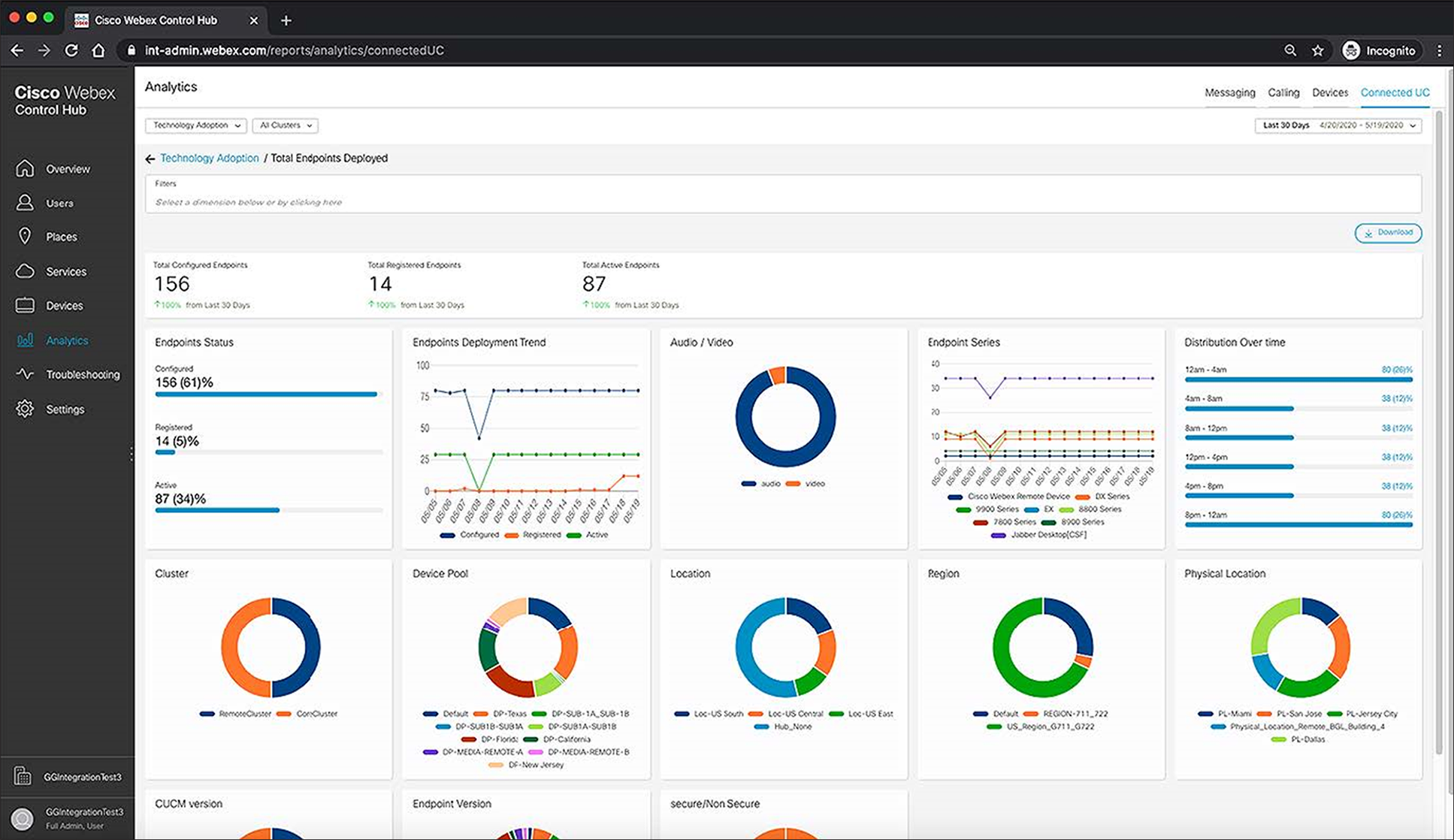
Webex Connect is the enterprise CPaaS platform within Cisco’s Webex portfolio. It automates multi-channel customer journeys and connects them to backend systems, cloud applications, and partner services. The platform supports channels including SMS, RCS, WhatsApp Business, and Apple Messages for Business, and it can route interactions into Webex AI agents and contact center agents.
Its main building tool is a low-code visual flow builder with a drag-and-drop interface for designing outbound workflows such as alerts, reminders, promotions, and follow-ups. Webex Connect also provides centralized reporting, security and compliance controls, and applications such as Webex Campaign and Bulk SMS.
CPaaS features:
- Omnichannel messaging: Sends two-way messages across SMS, RCS, WhatsApp Business, Apple Messages for Business, and more.
- Low-code visual flow builder: Designs and launches multi-channel flows with a drag-and-drop interface and pre-built nodes.
- AI agent and bot routing: Uses the Bot Builder to create Q&A, task, and pipeline bots, escalating to live agents when needed.
- Delivery and engagement reporting: Provides visibility into delivery reports and engagement stats for communication flows.
Enterprise features:
- Backend and CRM integration: Connects with systems such as Salesforce, Zendesk, and other enterprise applications.
- Centralized security and compliance: Includes contact policy enforcement and automatic malware scanning on inbound and outbound attachments.
- Embedded business intelligence: Performs multi-dimensional analysis and data visualization on customer journey performance.
- High-volume campaign applications: Adds Webex Campaign and Bulk SMS for large-scale outbound sending.
Limitations (as reported by users on G2):
- Disjointed from contact center: Some reviewers find it separate from Webex Contact Center.
- Setup learning curve: Users note a learning curve when setting up advanced features.
- Pricing: Several reviewers feel the pricing is on the higher side.
Source: Cisco
Conclusion
Enterprise CPaaS platforms empower organizations to modernize communications by integrating messaging, voice, and video into their existing applications. By streamlining workflows and enhancing engagement across multiple channels, these solutions drive operational efficiency and support scalable, secure customer interactions. Choosing the right platform depends on balancing specific channel needs, global reach, and the complexity of existing IT infrastructure.